In partnership with


Email Still Wins. Here's How to Use It Better.

59% of Americans say most marketing emails offer no real value. That's not a threat, it's an opening. Get the AI-powered playbook for building email campaigns that actually convert.
Inside you'll discover:
How top brands achieve 3,600% ROI from email marketing
AI personalization techniques that drive 82% higher conversion rates
Tactics that have delivered 30% better open rates and 50% higher clickthroughs
How to build sequences for every stage of the customer journey, from welcome to re-engagement
Download your free AI-powered email marketing playbook today.
🎯 In This Edition:
This week's Reading List: Five reads worth your time
Food For Thought: The ABC Bachelorette cancellation and what it reveals about where communications sits in the decision chain.
April Fools: Our favorite April Fools campaigns this week and why they landed
Who's Hiring
🔒 The KitKat heist as a Comms Case Study
🔒 PRGM Intel: where brand narratives actually live now, and why owned media is no longer just an SEO function
Reading List:
Every edition, we’ll share the articles, essays, and industry reads that have been living in our heads lately
World Happiness Report 2026: The annual report is out and the social media findings are worth your time. Life satisfaction is highest at low rates of social media use across 47 countries, but where youth wellbeing outside of social media is strong, the negative impact drops significantly. Useful context for any conversation your clients are having about social strategy right now.
Young Adults Are Avoiding the News — Reuters Institute: One fifth of 18-24 year olds avoid news because it doesn't feel relevant to them. For anyone building earned media strategy around younger audiences, this is a direct challenge to the assumption that a placement is a placement.
Do Consumers Actually Care About Brand Purpose? — Ipsos: 37% of consumers say they don't care whether brands are ethical or socially responsible. But 83% are more likely to trust a new product from a brand they already know. Familiarity is doing more work than values alignment in the purchase decision, and that has implications for how you're advising clients on purpose-driven communications.
Is Utah the Capital of the Internet? — Centennial World: A thorough look at how Mormon culture became one of the most dominant forces in internet content — from the original mommy bloggers of the 2000s to MomTok, tradwives, and the ExMo community. Worth reading alongside the Bachelorette moment this week as context for how a very specific cultural ecosystem built its media infrastructure, and what happens when that infrastructure meets mainstream entertainment.
AI Is Being Used to Supercharge Book Banning — 404 Media: Conservative advocacy groups are using Gemini, ChatGPT, and other AI tools to generate book challenge reports at scale, flagging titles for removal from school libraries based on keyword scoring and AI-defined interpretations of "conservative values." The piece raises a question we should all think through: when AI is used to automate moral judgment, who is actually accountable for the decisions it produces?
JOIN US IN THE INNER CIRCLE
PRGM has always been built around one idea: that PR and communications professionals deserve better resources, sharper analysis, and a community that takes the work seriously. The Inner Circle is how we plan on delivering on that fully!
Every issue of The PRGM Post will have two layers. Free content that's worth your time, and Inner Circle content that goes deeper: complete case studies, cultural analysis, strategic frameworks, in depth conversations with industry leaders, feature opportunities and first access to everything PRGM builds next.
The Inner Circle is $8/month. And this edition is a good place to see exactly what that gets you.
FOOD FOR THOUGHT
When Knowing Isn't the Same as Preparing

On March 19, ABC canceled an already-filmed season of The Bachelorette three days before its premiere. The decision came after TMZ published video footage of a 2023 altercation involving the season's lead, Taylor Frankie Paul, footage that confirmed what the public record had already documented: an arrest, an aggravated assault guilty plea, and a pattern of conflict that had played out on camera across two seasons. According to The Hollywood Reporter, the shelved season will cost ABC $30 million or more in production, licensing, and advertising losses, with The Los Angeles Times reporting the figure could reach $70 million if the season never airs.
The industry covered it as a crisis comms story, but the second layer is that it is also a risk communications story.
What Was Already Known
The 2023 arrest was not a secret. It was public record and aired in the first episode of The Secret Lives of Mormon Wives. It generated fan backlash at the time of Paul's casting announcement in September 2025. According to The Hollywood Reporter's reporting on the cancellation, executives knew of her charges when they made the casting decision. What they say they had not seen was the video itself. That video, when it surfaced five days before the premiere, became the tipping point for them. Not the guilty plea, not the ongoing domestic violence investigation that had already paused production on another Disney-owned property weeks earlier: the footage.
Which raises the question we want to sit with: why does video change the calculus in ways that documented, public legal history does not?
The Gap Communications Should Be Closing
Organizations routinely treat public record as a category of risk separate from visceral, visual evidence. A charge on paper is something a legal team manages. A video is something an audience experiences. These are not the same thing, and communications professionals understand that better than almost anyone else in the building. The charge lives in a database. The video lives in the body. The failure here was not in the crisis response. It was in the gap between those two things never being translated for the people making the decision.
That translation is a communications function. The upstream job, the one that rarely gets resourced or positioned correctly inside organizations, is not writing the statement after the footage drops. It is sitting in the room where the decision is being made and saying: the arrest is public, the guilty plea is on record, the incident aired on our own platform. The question is not whether this becomes a story. The question is what that story looks like when it surfaces, and what our response is when it does. In most organizations, by the time something becomes a crisis, the window for that conversation has already closed.
Cinnabon cut ties before any network statement was issued. That sequence, sponsor action preceding organizational response, is increasingly the pattern in brand crises, and it signals something important. Advertiser relationships move on their own timeline, independent of whatever internal communications process is underway. If stakeholder dependencies are not mapped as part of risk planning, organizations routinely find themselves reacting to decisions others have already made for them.
What This Actually Is
This is not something unique to what ABC is experiencing right now. Most PR & Communications professionals reading this have been in a version of it. A client moves forward with a partnership involving someone whose past is complicated but public. A brand announces a hire. An organization enters a market. The communications team learns about it in the same meeting where it is presented as final. The crisis that follows is not bad luck. It is the downstream cost of a gap that a different internal conversation could have closed.
The footage changed nothing about what was already true. It only changed how undeniable that truth became. Our job as communicators is to make that undeniability visible before it arrives, not to manage it after.
What does your organization's process look like for translating known risk into communications preparedness, before a decision is final?
April Fools Favorites

Every April 1, brands get one collective permission slip to be weird, and we are always here for it. This year's field was crowded: hundreds of posts, fake launches, and forced collabs flooded every feed by 9am. Our favorites were the ones that made us pause before we checked the date. Not because they were outrageous, but because they were specific, built from something the brand already owned and executed well enough to feel like they could actually exist. If 100 other brands could have posted the same idea, it wasn't really a joke. It was just noise. Here are some of our favorites!
Yelp: Scratch and Sniff Reviews
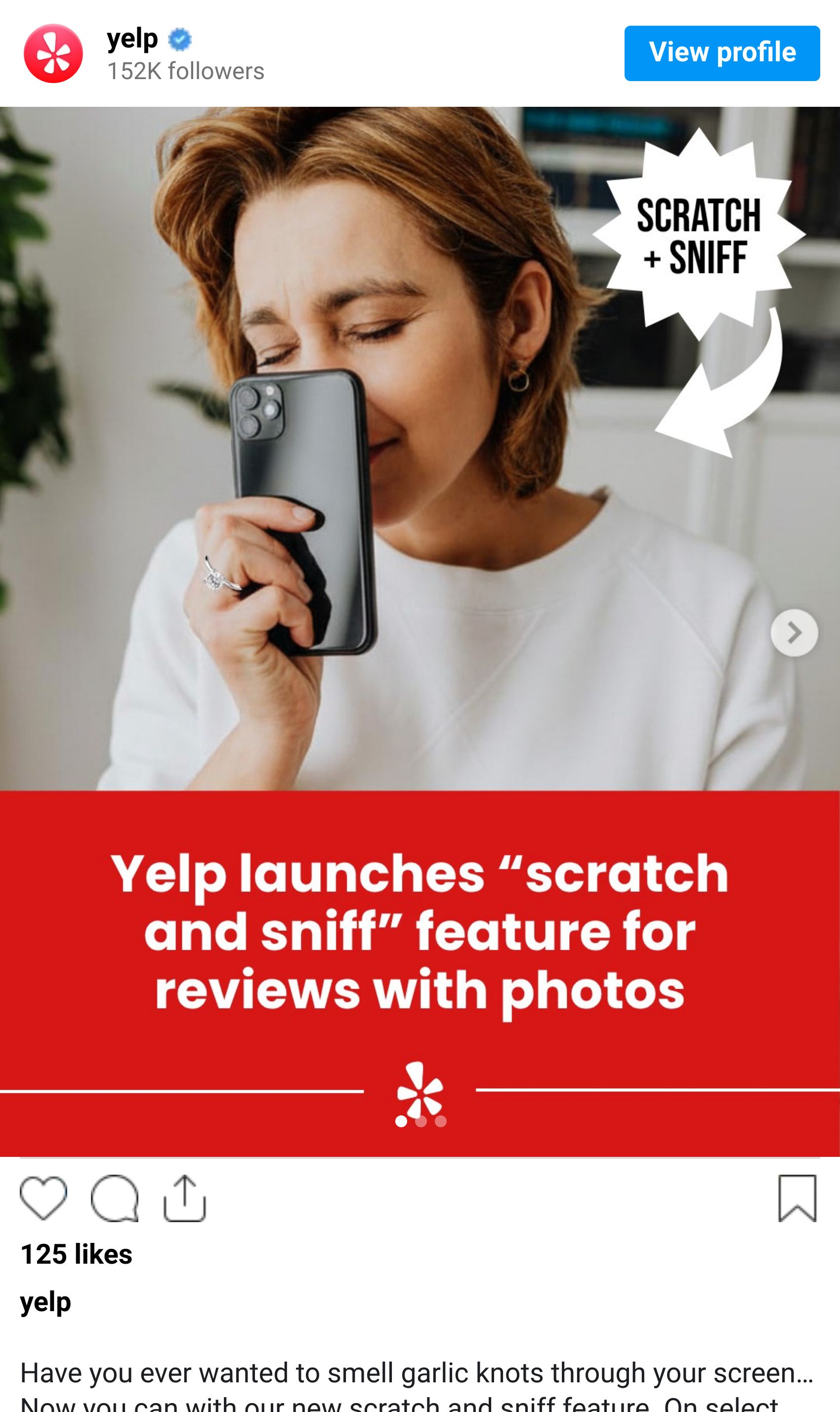
The most logical extension of what Yelp already does. Of course they'd want you to smell the restaurant before you book.
Gain: Your Ex's Hoodie Scent
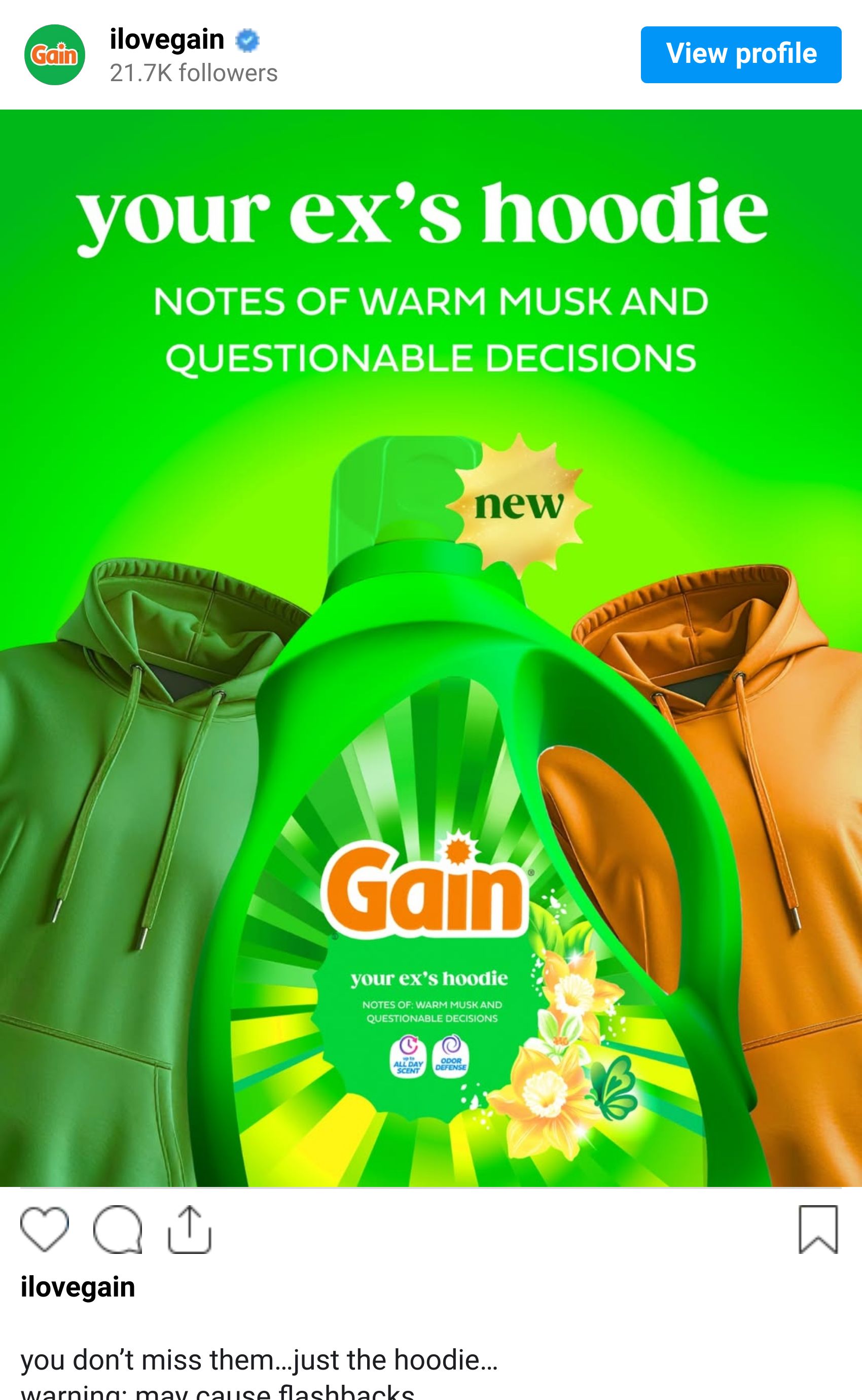
A laundry detergent brand dropping a scent named after the most emotionally loaded item of clothing in existence.
Lids: The Bandwagon Fitted
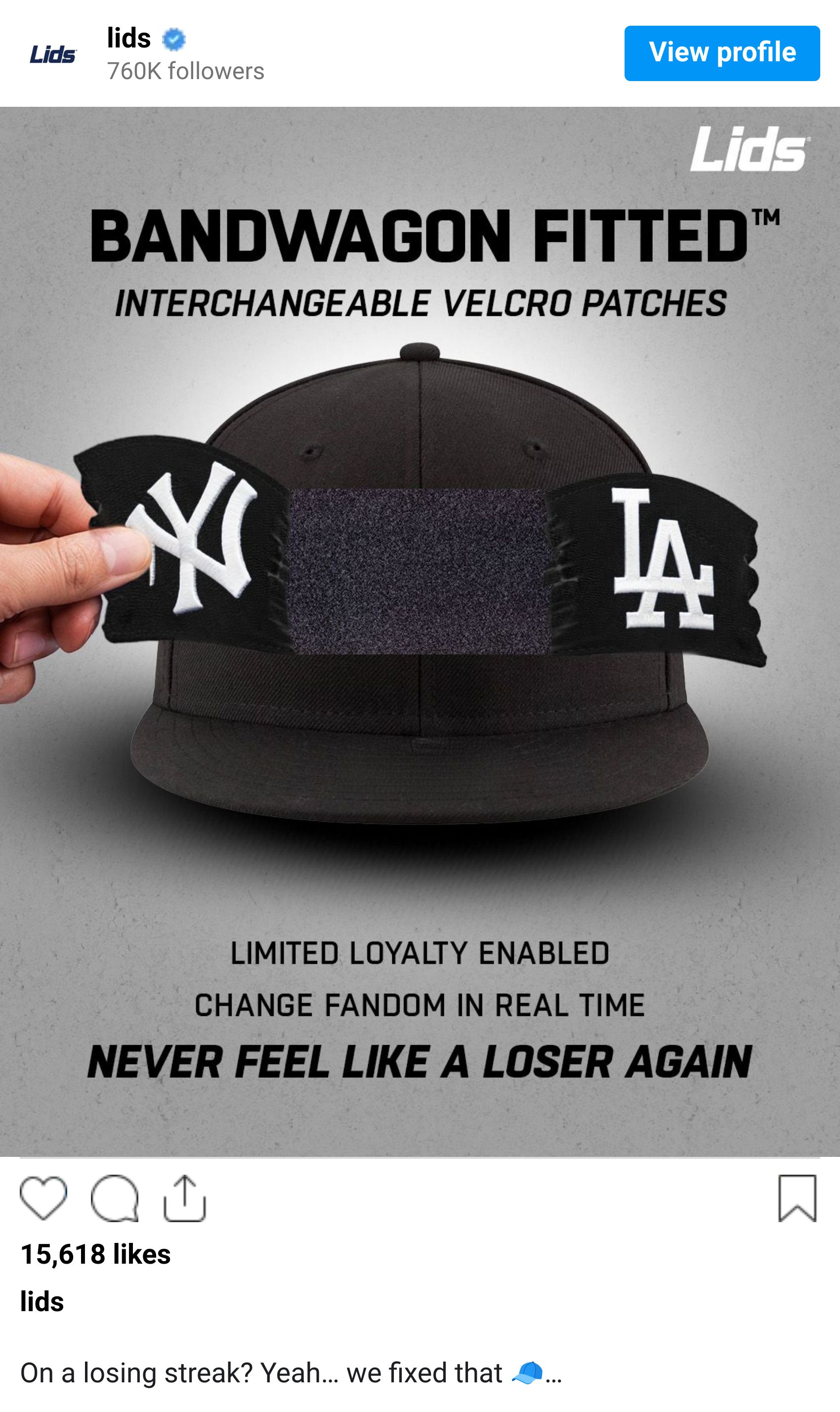
Lids sells hats. Their whole business depends on team loyalty. Leaning into the exact behavior their most committed customers would consider a betrayal is the kind of self-awareness that earns the joke.
Play-Doh: Aire
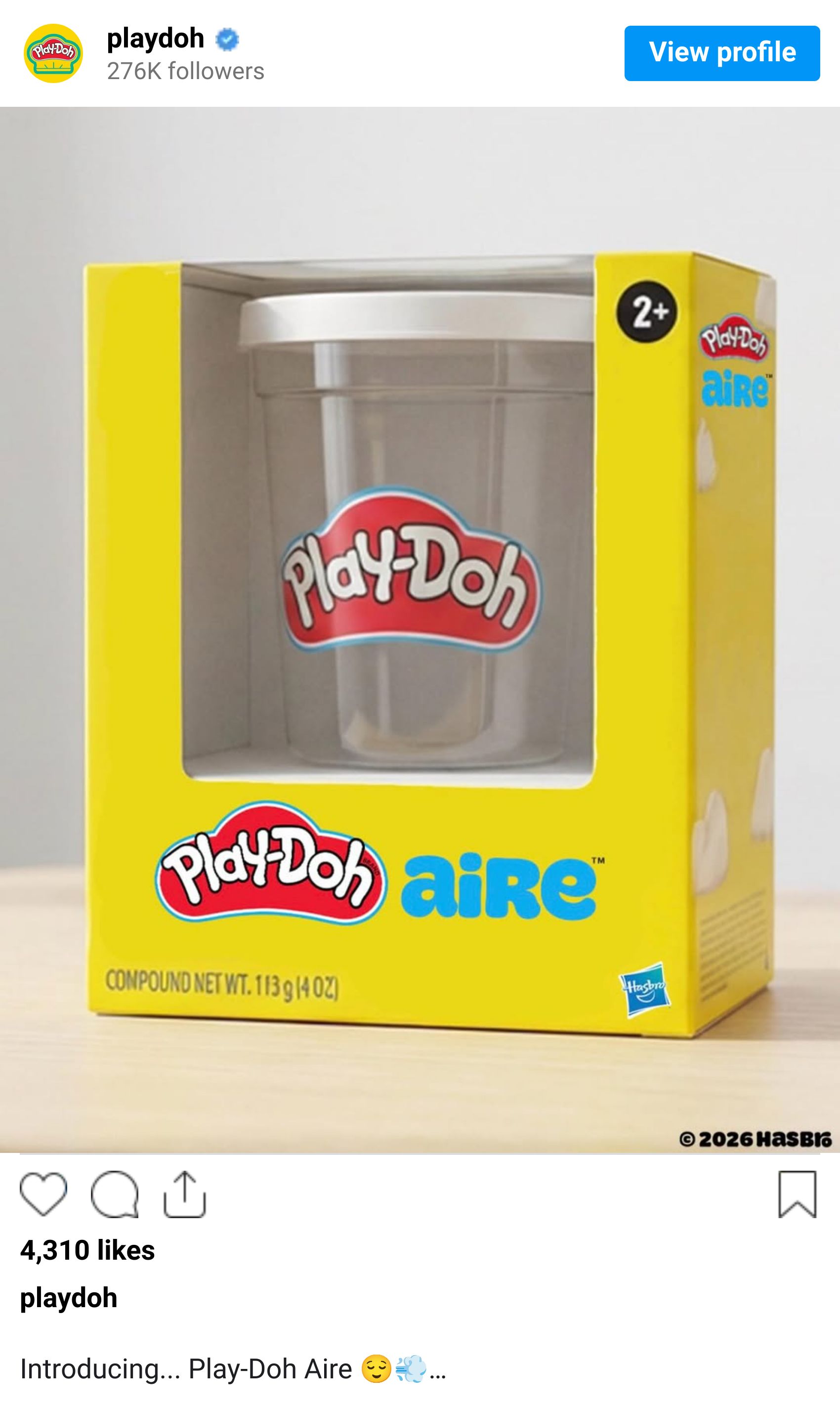
The joke works because Play-Doh's scent is genuinely one of the most recognizable in the world , and leaning into that while selling us absolutely nothing is both absurd and kind of genius. "Now it's time to use your imagination... even harder."
Dyson: Dyson Pet
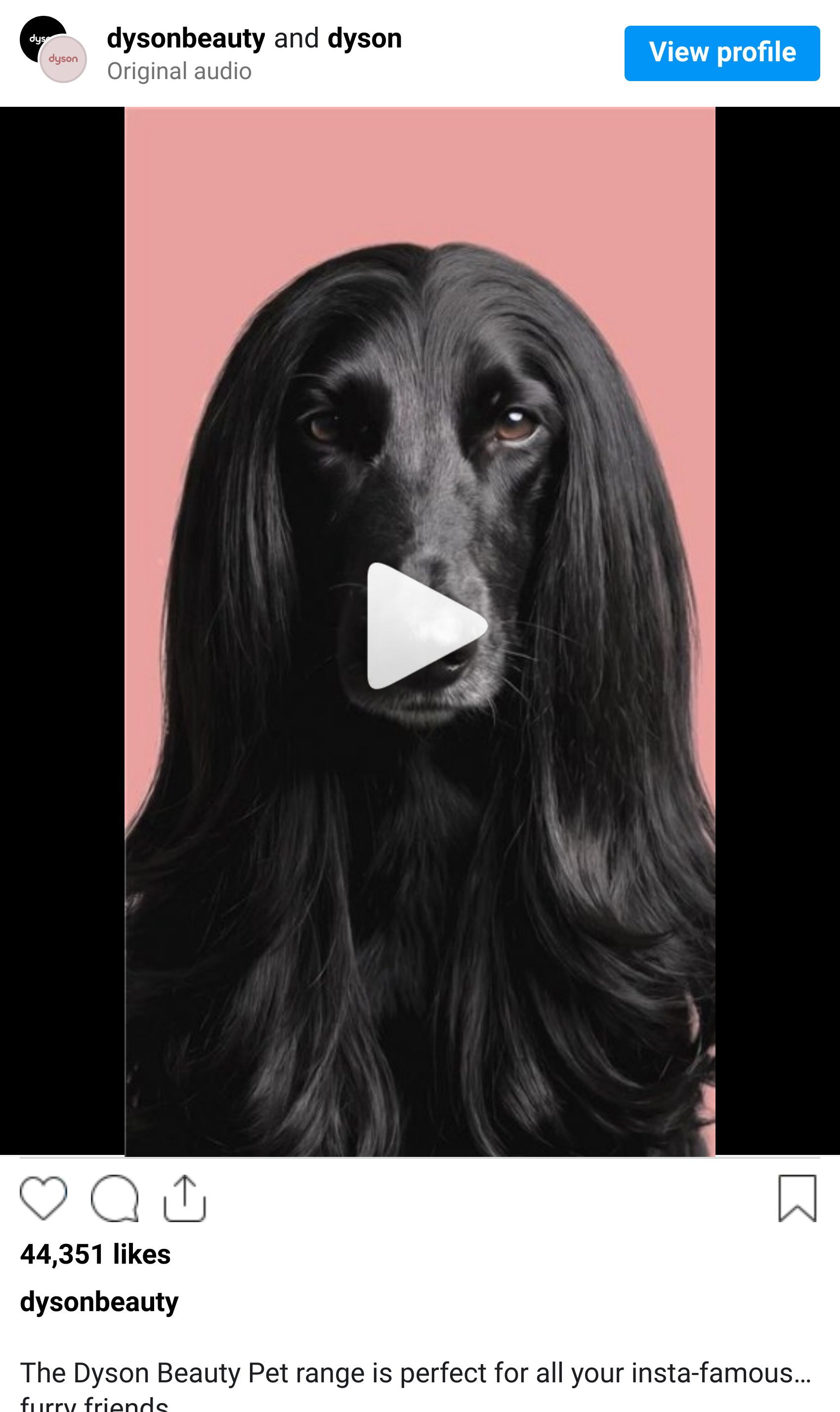
Shot in Dyson's signature aesthetic, styled like a real product launch. Dyson's community is already obsessed with their hair tools, extending that same energy to pets is the most logical next step imaginable, and the execution was committed enough that people genuinely wanted it to be real.
Community Corner returns next week. Until then — who in your world is doing work we should know about? Nominate them at [email protected].
Who’s Hiring?
Everything above is free. Every week.
We hope it's already worth your Sunday, but the Inner Circle is where we go further — deeper analysis, stronger takes, and the case studies that connect what's happening in culture to what it means for your practice.
This week, Inner Circle members get:
A full Comms Case Study on KitKat's response to a real chocolate heist — what they did in 48 hours, why it worked, and the three disciplines behind it that transfer directly to your work.
A PRGM Intel piece on where brand narratives actually live now: the Penta Group data that should be in every communications team's weekly briefing, and what it means for how you build and pitch media strategy in an AI-first search environment.
If that sounds like your kind of Sunday reading, we'd love to have you.
All of it, every Sunday, for $8 a month. Less than your last coffee order.
Pitch Us: We are always looking for stories, campaigns, and perspectives worth covering. If you are working on something you think belongs in The PRGM Post, a campaign that got it right, an industry shift worth naming, a conversation the community should be having, we want to hear about it.
Pitch us at [email protected].

You've got good taste. Join the Inner Circle to keep reading and unlock everything PRGM has to offer.
Become a paying subscriber to get access to this post and other subscriber-only content.
Join The Inner Circle Today!Subscribing gives you access to:
- First access to PRGM events, including PR Parlor, our 2026 Summit, panels, pop-ups, and exclusive member experiences
- Access to office hours and AMAs with industry leaders
- Full access to PRGM Intel and bi-monthly profiles
- Exclusive partner discounts